📰 general_news
Koh Samui
Samui speeds up expansion of water and power systems to handle more tourists, opens new connecting routes
Ko Samui District is currently expanding and upgrading its water supply and electricity infrastructure to accommodate the steadily increasing number of visitors expected in the second half of 2026. The project is a collaboration between the Provincial Administrative Organization, the Provincial Electricity Authority and water management agencies to raise residents’ quality of life and reassure tourists.
Under the water system expansion plan, funds have been allocated to extend water mains and add pumping stations in coastal communities and along main roads that connect key beaches. The focus is on reducing water turbidity and low water pressure during festival periods. Pimchanok, head of the Ko Samui water project, said this investment will not only increase water reserves but also include additional filtration systems and community training on water conservation to curb excessive water use during the peak season.
On the energy side, the Provincial Electricity Authority has begun installing new poles and transmission lines, as well as community battery backup systems and microgrid connections in remote areas to cope with higher electricity demand from hotels, resorts and nighttime activities. There are also efforts to promote renewable energy use, such as rooftop solar panels on public buildings and some tourism businesses, which will help reduce load on the main grid during peak times.
Beyond utilities, the province is extending transport routes between piers and Samui Airport to make travel easier for tourists and ease congestion on main roads. Upgrades to local highways and coordination of public transport schedules with ferry and flight timetables are being managed by the Department of Highways and tourism agencies. These measures are expected to shorten travel times and better distribute visitors to outlying parts of the island.
Direct impacts for residents include expectations of improved quality of life through cleaner water, more reliable electricity and faster access to health services. Residents in central communities say the infrastructure developments will help local businesses grow, such as restaurants, small hotels and conservation tourism activities. However, there are concerns about short-term dust and noise from construction; officials plan to mitigate these impacts by scheduling work and enforcing pollution-control measures during construction.
Urban planning experts advise that infrastructure expansion should be paired with careful land-use planning to avoid overdevelopment beyond the island’s capacity. Zoning and conservation areas will help protect natural resources and ensure Samui’s growth is sustainable. The province aims to complete the urgent infrastructure upgrades by the end of this year and will continuously monitor social and environmental impacts to refine plans in line with community and tourist needs.
Under the water system expansion plan, funds have been allocated to extend water mains and add pumping stations in coastal communities and along main roads that connect key beaches. The focus is on reducing water turbidity and low water pressure during festival periods. Pimchanok, head of the Ko Samui water project, said this investment will not only increase water reserves but also include additional filtration systems and community training on water conservation to curb excessive water use during the peak season.
On the energy side, the Provincial Electricity Authority has begun installing new poles and transmission lines, as well as community battery backup systems and microgrid connections in remote areas to cope with higher electricity demand from hotels, resorts and nighttime activities. There are also efforts to promote renewable energy use, such as rooftop solar panels on public buildings and some tourism businesses, which will help reduce load on the main grid during peak times.
Beyond utilities, the province is extending transport routes between piers and Samui Airport to make travel easier for tourists and ease congestion on main roads. Upgrades to local highways and coordination of public transport schedules with ferry and flight timetables are being managed by the Department of Highways and tourism agencies. These measures are expected to shorten travel times and better distribute visitors to outlying parts of the island.
Direct impacts for residents include expectations of improved quality of life through cleaner water, more reliable electricity and faster access to health services. Residents in central communities say the infrastructure developments will help local businesses grow, such as restaurants, small hotels and conservation tourism activities. However, there are concerns about short-term dust and noise from construction; officials plan to mitigate these impacts by scheduling work and enforcing pollution-control measures during construction.
Urban planning experts advise that infrastructure expansion should be paired with careful land-use planning to avoid overdevelopment beyond the island’s capacity. Zoning and conservation areas will help protect natural resources and ensure Samui’s growth is sustainable. The province aims to complete the urgent infrastructure upgrades by the end of this year and will continuously monitor social and environmental impacts to refine plans in line with community and tourist needs.
แปลจาก ไทย
ข่าวที่เกี่ยวข้อง

Phitsanulok Integrates Local Development Plans Aiming to Improve Quality of Life and Basic Services
sukhothai · 09/01 19:07

This Year’s Phitsanulok Local Music Festival Brings in Famous Artists, Blending Culture and Local Cuisine
sukhothai · 09/01 19:07
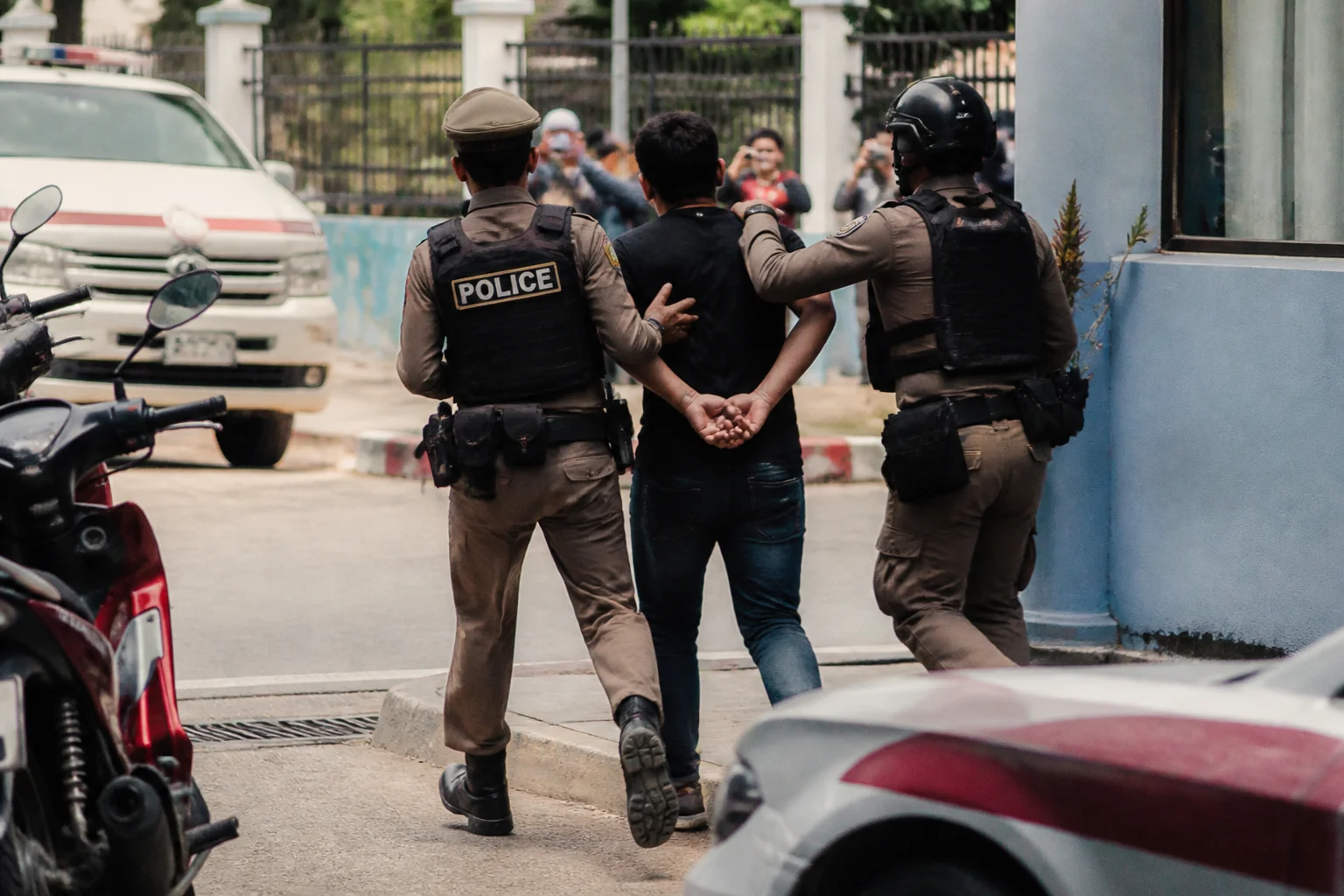
Maniac with Knife in Phitsanulok School Detained Before Any Harm Occurred
sukhothai · 09/01 19:07
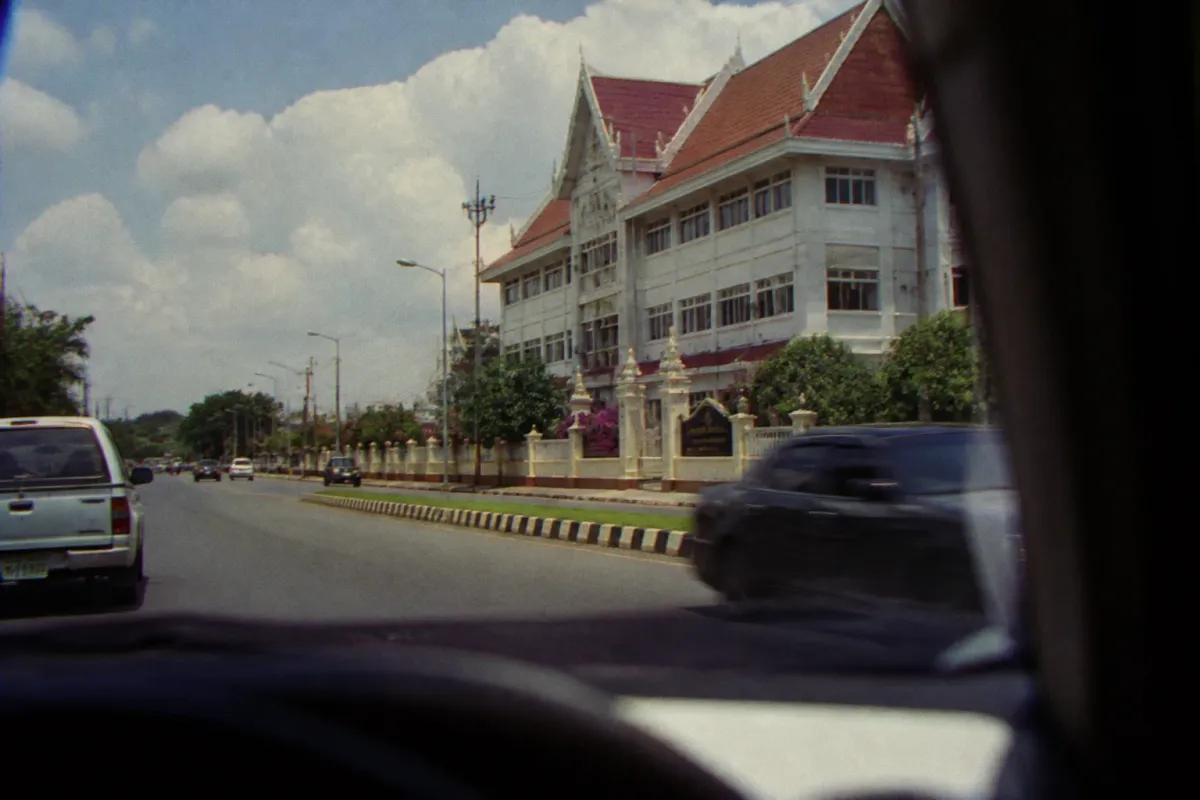
Phitsanulok Expands Water and Energy Development Projects to Support Urban Growth
sukhothai · 09/01 13:05

Phitsanulok Film and Music Festival This Year Features Local Works and Opens Stage for New Creators
sukhothai · 09/01 13:05