📰 general_news
Phitsanulok
Phitsanulok Responds to Global Economic Impact; Investors and Businesses Say Adaptation Is Necessary
The global economic volatility over recent months has begun to affect Phitsanulok’s overall economy — in wholesale and retail trade, medium-scale industrial investment, and tourism. Local business owners and government agencies say coordinated measures are needed to mitigate impacts and build resilience into the local economy.
The provincial chamber of commerce reports that exports related to agriculture and processed products are slowing, as some foreign demand weakens while import costs for certain raw materials rise. Small producers are being forced to cut costs or reformulate products to remain price-competitive. Some businesses in industrial estates say negotiating expanded quotas or lower international trade tariffs would help ease cost pressures.
Tourism, a major income source for Phitsanulok’s historic city center and surrounding attractions, has shown continued recovery since reopening the country, but still faces uncertainty over international visitor numbers and shifting spending habits. Family and youth travelers continue to visit but are choosing more budget-conscious options. Small accommodations and local guides are responding by focusing on cultural experiences and eco-activities to meet customer demand.
Officials from the provincial labour office report that overall there has not been a significant rise in layoffs in manufacturing and construction. However, some medium-sized firms and small retailers have begun adjusting working hours and moving to temporary hiring to control costs. The government and provincial agencies are preparing skills-training programs — such as digital skills, online marketing, and agricultural product processing — to help workers adapt to diversified work patterns and create new income streams.
At the policy level, Phitsanulok has coordinated with central agencies to use investment promotion measures and support SMEs, including low-interest loan advisory services, streamlined documentation for investors, and opening markets through trade shows. The province is also seeking opportunities in creative tourism and value-added agriculture to build long-term competitive advantages.
The impact on households is evident in increased budget concerns. Some consumers have begun delaying purchases of luxury items and shifting toward locally made goods, offering local businesses an opportunity to consolidate the provincial consumer base. Experts say short-term measures should focus on relief and training, while long-term resilience will depend on upgrading product value chains and investing in human capital — the keys to helping Phitsanulok withstand global economic fluctuations.
The provincial chamber of commerce reports that exports related to agriculture and processed products are slowing, as some foreign demand weakens while import costs for certain raw materials rise. Small producers are being forced to cut costs or reformulate products to remain price-competitive. Some businesses in industrial estates say negotiating expanded quotas or lower international trade tariffs would help ease cost pressures.
Tourism, a major income source for Phitsanulok’s historic city center and surrounding attractions, has shown continued recovery since reopening the country, but still faces uncertainty over international visitor numbers and shifting spending habits. Family and youth travelers continue to visit but are choosing more budget-conscious options. Small accommodations and local guides are responding by focusing on cultural experiences and eco-activities to meet customer demand.
Officials from the provincial labour office report that overall there has not been a significant rise in layoffs in manufacturing and construction. However, some medium-sized firms and small retailers have begun adjusting working hours and moving to temporary hiring to control costs. The government and provincial agencies are preparing skills-training programs — such as digital skills, online marketing, and agricultural product processing — to help workers adapt to diversified work patterns and create new income streams.
At the policy level, Phitsanulok has coordinated with central agencies to use investment promotion measures and support SMEs, including low-interest loan advisory services, streamlined documentation for investors, and opening markets through trade shows. The province is also seeking opportunities in creative tourism and value-added agriculture to build long-term competitive advantages.
The impact on households is evident in increased budget concerns. Some consumers have begun delaying purchases of luxury items and shifting toward locally made goods, offering local businesses an opportunity to consolidate the provincial consumer base. Experts say short-term measures should focus on relief and training, while long-term resilience will depend on upgrading product value chains and investing in human capital — the keys to helping Phitsanulok withstand global economic fluctuations.
แปลจาก ไทย
ข่าวที่เกี่ยวข้อง

Phitsanulok Integrates Local Development Plans Aiming to Improve Quality of Life and Basic Services
sukhothai · 09/01 19:07

This Year’s Phitsanulok Local Music Festival Brings in Famous Artists, Blending Culture and Local Cuisine
sukhothai · 09/01 19:07
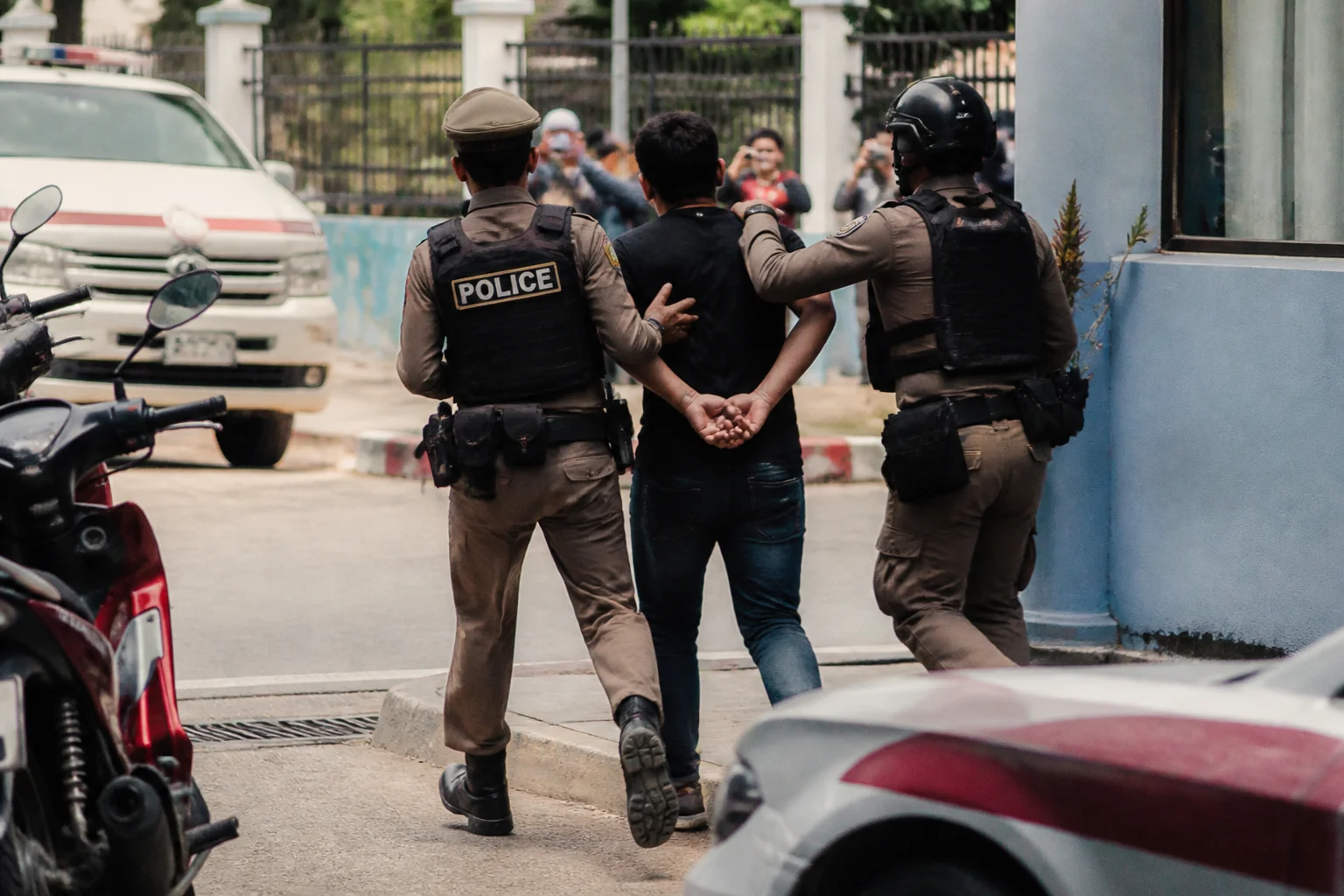
Maniac with Knife in Phitsanulok School Detained Before Any Harm Occurred
sukhothai · 09/01 19:07
Phitsanulok Expands Water and Energy Development Projects to Support Urban Growth
sukhothai · 09/01 13:05
Phitsanulok Film and Music Festival This Year Features Local Works and Opens Stage for New Creators
sukhothai · 09/01 13:05