📍 local_news
Isan
Northeastern residents expect government to subsidize 50,000-baht rooftop solar per household to boost local economies
The Ministry of Finance is preparing a plan to subsidize the installation of rooftop solar panels at 50,000 baht per household as part of the government’s transition to clean energy. The proposal, currently being finalized for submission, is expected to have a significant impact on households and communities in the Northeast, which face high electricity costs and unstable farm incomes. It would help lower household expenses and create new long-term income opportunities.
In the Northeast region, which has wide areas and ample sunlight, rooftop solar is well suited to the geography and local way of life. Farmers with homes scattered across communities can use solar power to meet household electricity needs or sell excess back to the grid. A 50,000-baht subsidy per household would reduce the upfront costs that are often a major barrier and would also make clean energy more accessible to the elderly and small families.
Initially, small and medium solar installers across northeastern provinces say the subsidy program would significantly stimulate demand after a prolonged market slump. Increased orders would affect local employment for technicians, lead to training and skills development, and raise income for regional businesses. However, installers warn that there must be clear regulation of equipment quality, system warranties, and user training to prevent problems if systems fail in the future.
From a social perspective, the subsidy program would visibly improve rural living standards. Lower electricity bills would free up household budgets for education, health, and savings. Communities could also use installed systems to support local enterprises—such as processing and storing produce, providing lighting for local markets, or powering water-pumping stations for self-sufficient agriculture—which would strengthen food security. Yet there is a warning that the transition must consider poor households that still cannot afford investment even with subsidies; without low-interest loans or installment programs, inequality could rise.
On the environmental side, expanding rooftop solar in the Northeast would reduce reliance on fossil fuels and lower household greenhouse gas emissions, aligning with the country’s climate goals. If systems are properly interconnected and managed, communities could develop into sustainable clean energy producers. Local authorities, however, need to prepare grid infrastructure and after-sales services sufficiently to handle increased generation and prevent long-term equipment damage.
For tourists visiting the Northeast, wider adoption of rooftop solar could create a new atmosphere for eco- and community-based tourism. Homestays and small resorts that install solar could cut operating costs and promote sustainability as a selling point. Nevertheless, meaningful change requires comprehensive, verifiable policy design and coordination between central and local agencies to ensure fair budget allocation and maximum benefit to northeastern communities.
In the Northeast region, which has wide areas and ample sunlight, rooftop solar is well suited to the geography and local way of life. Farmers with homes scattered across communities can use solar power to meet household electricity needs or sell excess back to the grid. A 50,000-baht subsidy per household would reduce the upfront costs that are often a major barrier and would also make clean energy more accessible to the elderly and small families.
Initially, small and medium solar installers across northeastern provinces say the subsidy program would significantly stimulate demand after a prolonged market slump. Increased orders would affect local employment for technicians, lead to training and skills development, and raise income for regional businesses. However, installers warn that there must be clear regulation of equipment quality, system warranties, and user training to prevent problems if systems fail in the future.
From a social perspective, the subsidy program would visibly improve rural living standards. Lower electricity bills would free up household budgets for education, health, and savings. Communities could also use installed systems to support local enterprises—such as processing and storing produce, providing lighting for local markets, or powering water-pumping stations for self-sufficient agriculture—which would strengthen food security. Yet there is a warning that the transition must consider poor households that still cannot afford investment even with subsidies; without low-interest loans or installment programs, inequality could rise.
On the environmental side, expanding rooftop solar in the Northeast would reduce reliance on fossil fuels and lower household greenhouse gas emissions, aligning with the country’s climate goals. If systems are properly interconnected and managed, communities could develop into sustainable clean energy producers. Local authorities, however, need to prepare grid infrastructure and after-sales services sufficiently to handle increased generation and prevent long-term equipment damage.
For tourists visiting the Northeast, wider adoption of rooftop solar could create a new atmosphere for eco- and community-based tourism. Homestays and small resorts that install solar could cut operating costs and promote sustainability as a selling point. Nevertheless, meaningful change requires comprehensive, verifiable policy design and coordination between central and local agencies to ensure fair budget allocation and maximum benefit to northeastern communities.
แปลจาก ไทย
ข่าวที่เกี่ยวข้อง

Phitsanulok Integrates Local Development Plans Aiming to Improve Quality of Life and Basic Services
sukhothai · 09/01 19:07

This Year’s Phitsanulok Local Music Festival Brings in Famous Artists, Blending Culture and Local Cuisine
sukhothai · 09/01 19:07
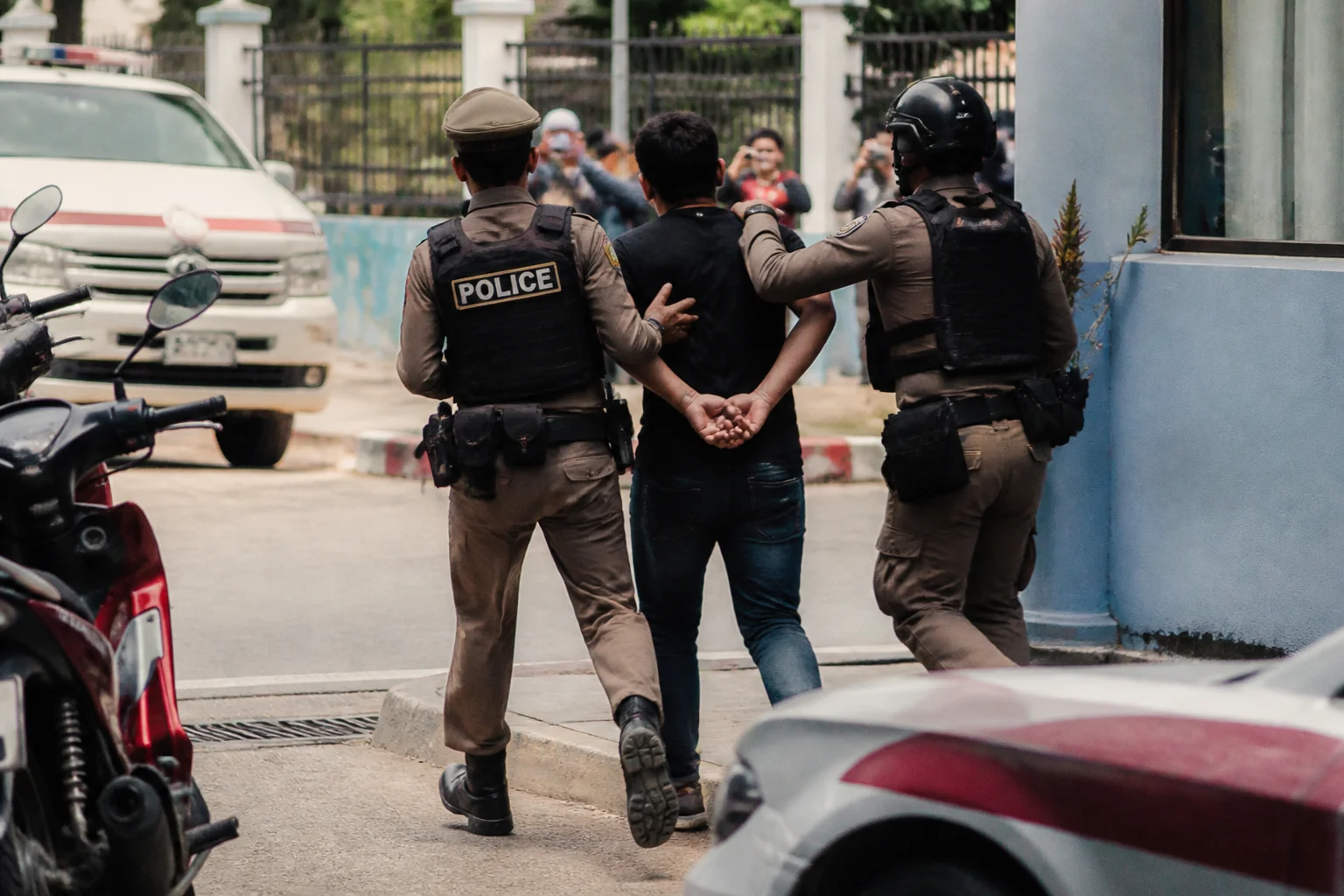
Maniac with Knife in Phitsanulok School Detained Before Any Harm Occurred
sukhothai · 09/01 19:07
Phitsanulok Expands Water and Energy Development Projects to Support Urban Growth
sukhothai · 09/01 13:05
Phitsanulok Film and Music Festival This Year Features Local Works and Opens Stage for New Creators
sukhothai · 09/01 13:05