📰 general_news
Koh Samui
Policy Support for SMEs and Air Connectivity Affect Koh Samui’s Economy and Post-Pandemic Recovery
As Thailand’s economy adjusts following the recovery of tourism, Koh Samui remains a key destination that requires coordination between national policy and local development to generate sustainable income and employment. Recently, government support for small and medium-sized enterprises (SMEs) and the restoration of air links both domestically and internationally have taken on clear significance for Koh Samui.
Tourism experts and small business owners say policies that help SMEs access knowledge, technology, standards, finance, and markets are likely to enable local operators to upgrade their services and products. This is important on Koh Samui, where many hotels, restaurants, and tour businesses are small enterprises that have not yet fully recovered. Although national new business registrations have risen slightly, there are signs that newly registered capital is declining and business closures continue to occur, making financial support and skills development necessary.
In transport, the aviation industry plays an important role because Koh Samui depends on both domestic and international visitors. Announcements of additional international routes and the return of long-haul flights will help boost visitor numbers and stimulate demand for hotels and local tour operators. Airport officials and operators expect that better air and ferry connections will lower travel costs and allow Koh Samui to attract higher-quality tourists during the off-season.
However, infrastructure and environmental challenges must be addressed in parallel. Local operators say development should consider water resource management, waste management, and coastal conservation to avoid long-term impacts on the tourism economy. At the same time, service standards and digital marketing will help SMEs compete as operators from other regions begin to develop linked travel packages.
Local communities play an important role in steering development. Local officials and business owners suggest that central government support should focus on practical training, access to appropriate financing, and building market networks at home and abroad so SMEs on Koh Samui can scale up without losing community identity. Coordination among tourism, environmental, and commerce agencies is also crucial to ensure policies have real effects on the ground.
In summary, Koh Samui still has the potential to be a high-yield tourism area, but recovery and upgrading require aligned policies for SME development, transport connectivity, and environmental protection. If implemented systematically, national policies that emphasize access to knowledge, technology, and markets for small operators, along with expanded air routes, will help Koh Samui’s economy recover strongly and sustainably.
Tourism experts and small business owners say policies that help SMEs access knowledge, technology, standards, finance, and markets are likely to enable local operators to upgrade their services and products. This is important on Koh Samui, where many hotels, restaurants, and tour businesses are small enterprises that have not yet fully recovered. Although national new business registrations have risen slightly, there are signs that newly registered capital is declining and business closures continue to occur, making financial support and skills development necessary.
In transport, the aviation industry plays an important role because Koh Samui depends on both domestic and international visitors. Announcements of additional international routes and the return of long-haul flights will help boost visitor numbers and stimulate demand for hotels and local tour operators. Airport officials and operators expect that better air and ferry connections will lower travel costs and allow Koh Samui to attract higher-quality tourists during the off-season.
However, infrastructure and environmental challenges must be addressed in parallel. Local operators say development should consider water resource management, waste management, and coastal conservation to avoid long-term impacts on the tourism economy. At the same time, service standards and digital marketing will help SMEs compete as operators from other regions begin to develop linked travel packages.
Local communities play an important role in steering development. Local officials and business owners suggest that central government support should focus on practical training, access to appropriate financing, and building market networks at home and abroad so SMEs on Koh Samui can scale up without losing community identity. Coordination among tourism, environmental, and commerce agencies is also crucial to ensure policies have real effects on the ground.
In summary, Koh Samui still has the potential to be a high-yield tourism area, but recovery and upgrading require aligned policies for SME development, transport connectivity, and environmental protection. If implemented systematically, national policies that emphasize access to knowledge, technology, and markets for small operators, along with expanded air routes, will help Koh Samui’s economy recover strongly and sustainably.
แปลจาก ไทย
ข่าวที่เกี่ยวข้อง

Phitsanulok Integrates Local Development Plans Aiming to Improve Quality of Life and Basic Services
sukhothai · 09/01 19:07

This Year’s Phitsanulok Local Music Festival Brings in Famous Artists, Blending Culture and Local Cuisine
sukhothai · 09/01 19:07
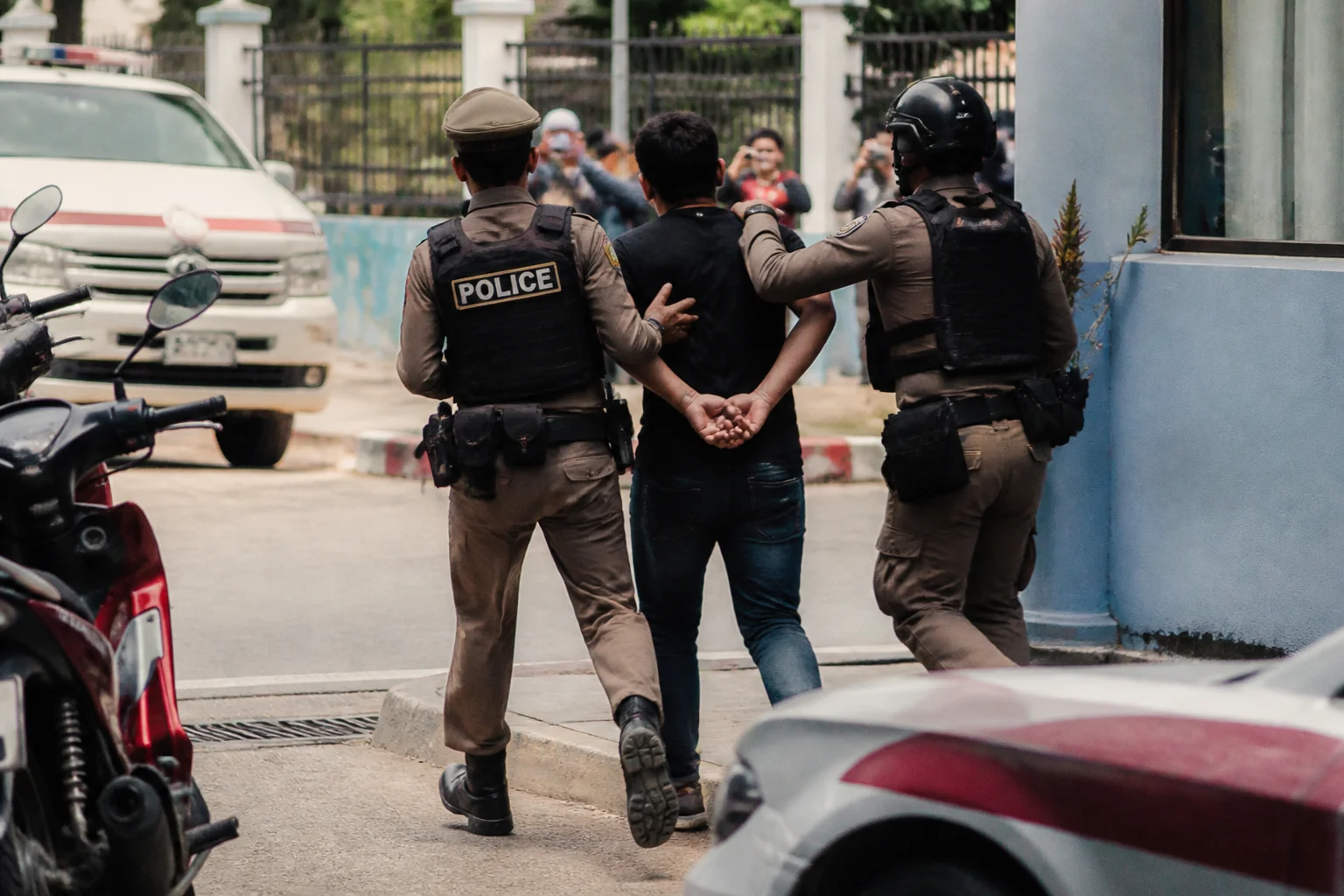
Maniac with Knife in Phitsanulok School Detained Before Any Harm Occurred
sukhothai · 09/01 19:07
Phitsanulok Expands Water and Energy Development Projects to Support Urban Growth
sukhothai · 09/01 13:05
Phitsanulok Film and Music Festival This Year Features Local Works and Opens Stage for New Creators
sukhothai · 09/01 13:05