🎭 entertainment
Chiang Mai
Year-end Chiang Mai Music Festival Draws Young Artists and Indie Stages to Boost Local Economy
Chiang Mai — The year-end music festival in Chiang Mai has become a focal point for tourists and music lovers after local organizers announced lineups featuring young artists and multiple indie stages, alongside art activities, food streets, and workshops to revive tourism-driven economic activity and create performance opportunities for local artists.
This year’s event is built around a concept that emphasizes support for independent artists and community creatives. There will be a main stage hosting nationally known acts late at night, and smaller stages spread across different neighborhoods of the old city—such as Nimman, Chang Klan—and even community fresh markets, so that residents can participate and revenue is distributed to restaurants, small hotels, transport operators, and local artists.
Organizers say the goal is to balance entertainment with community care, implementing noise management, waste-control measures, and coordination with municipal agencies on traffic management and security. They are also allocating space for Lanna artist groups and local designers to sell handicrafts, creating extra income during the festival.
For tourists, the festival’s return offers a good opportunity to experience Chiang Mai’s contemporary culture through music and art. Many tour companies and accommodations are offering packages that include event tickets. Tourism officials advise visitors to buy tickets in advance to avoid accommodation shortages during the event and ask attendees to respect community spaces when using local shops and services.
On the economic impact, local business owners report increased sales across hospitality and retail sectors, especially at restaurants and souvenir shops that typically see significant customer growth. Small accommodation providers say that although short-term costs for hosting and handling increased tourist numbers rise, publicity benefits and revenue from visitors help offset those expenses.
Urban planners and community conservationists warn that large events must be accompanied by long-term measures to avoid environmental, noise, and quality-of-life impacts on residents—such as limiting the frequency of events to levels communities can accept and zoning activities to prevent disruption of daily life. They also call for post-event social and economic evaluations to refine practices for future years.
This year’s Chiang Mai music festival is more than concerts: it’s a platform for local artists to showcase talent and connect with visitors, generate income for communities, and push Chiang Mai toward being a sustainable creative city for arts and culture. With good management, the festival could become a major draw for quality tourists and a lasting boost to the local economy.
This year’s event is built around a concept that emphasizes support for independent artists and community creatives. There will be a main stage hosting nationally known acts late at night, and smaller stages spread across different neighborhoods of the old city—such as Nimman, Chang Klan—and even community fresh markets, so that residents can participate and revenue is distributed to restaurants, small hotels, transport operators, and local artists.
Organizers say the goal is to balance entertainment with community care, implementing noise management, waste-control measures, and coordination with municipal agencies on traffic management and security. They are also allocating space for Lanna artist groups and local designers to sell handicrafts, creating extra income during the festival.
For tourists, the festival’s return offers a good opportunity to experience Chiang Mai’s contemporary culture through music and art. Many tour companies and accommodations are offering packages that include event tickets. Tourism officials advise visitors to buy tickets in advance to avoid accommodation shortages during the event and ask attendees to respect community spaces when using local shops and services.
On the economic impact, local business owners report increased sales across hospitality and retail sectors, especially at restaurants and souvenir shops that typically see significant customer growth. Small accommodation providers say that although short-term costs for hosting and handling increased tourist numbers rise, publicity benefits and revenue from visitors help offset those expenses.
Urban planners and community conservationists warn that large events must be accompanied by long-term measures to avoid environmental, noise, and quality-of-life impacts on residents—such as limiting the frequency of events to levels communities can accept and zoning activities to prevent disruption of daily life. They also call for post-event social and economic evaluations to refine practices for future years.
This year’s Chiang Mai music festival is more than concerts: it’s a platform for local artists to showcase talent and connect with visitors, generate income for communities, and push Chiang Mai toward being a sustainable creative city for arts and culture. With good management, the festival could become a major draw for quality tourists and a lasting boost to the local economy.
แปลจาก ไทย
ข่าวที่เกี่ยวข้อง
Phitsanulok Integrates Local Development Plans Aiming to Improve Quality of Life and Basic Services
sukhothai · 09/01 19:07
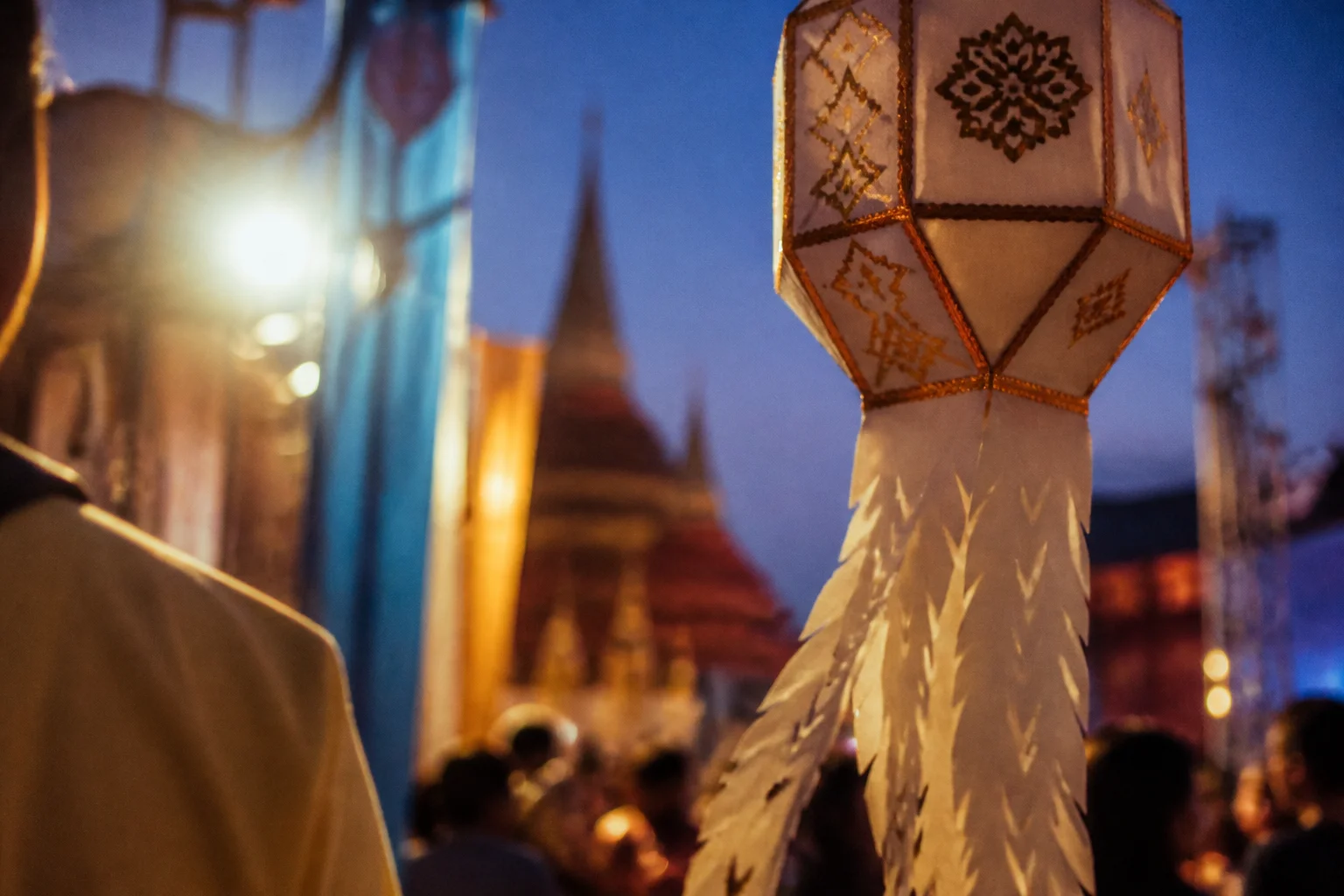
This Year’s Phitsanulok Local Music Festival Brings in Famous Artists, Blending Culture and Local Cuisine
sukhothai · 09/01 19:07
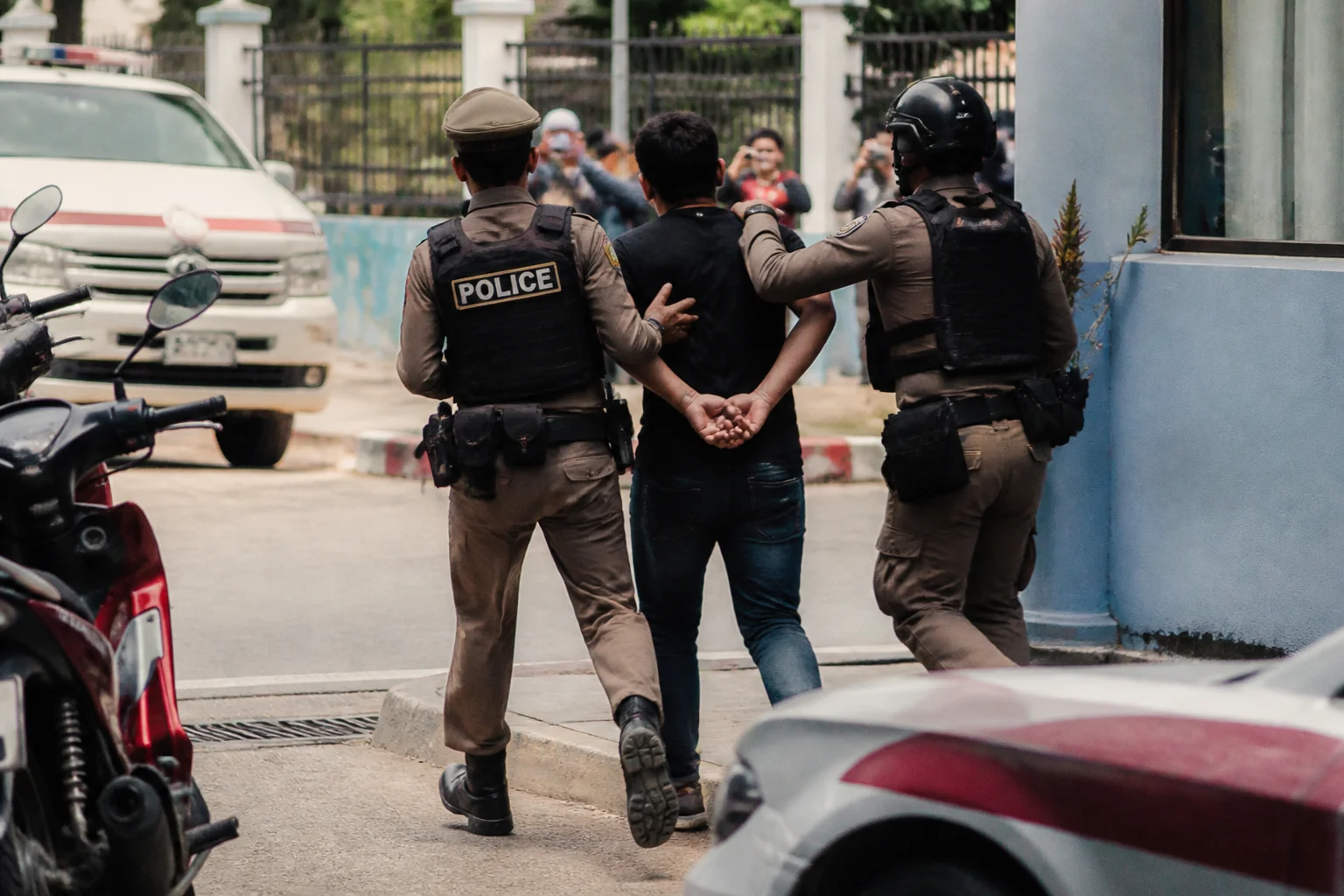
Maniac with Knife in Phitsanulok School Detained Before Any Harm Occurred
sukhothai · 09/01 19:07
Phitsanulok Expands Water and Energy Development Projects to Support Urban Growth
sukhothai · 09/01 13:05
Phitsanulok Film and Music Festival This Year Features Local Works and Opens Stage for New Creators
sukhothai · 09/01 13:05