
📰 general_news
Chiang Mai
Tremors from Myanmar Felt in Chiang Mai — Scholars Urge Northern Cities to Boost Preparedness
On Monday morning the Meteorological Department and local agencies reported that tremors from an earthquake of about magnitude 4.7 in northern Myanmar were felt in several districts of Chiang Mai and neighboring provinces. Many people in Chiang Mai city and surrounding areas reported light shaking, but there were no reports of serious damage. Early bulletins from the earthquake monitoring center located the event’s epicenter in Myanmar, in a border area where multiple fault lines are active.
Geologists and earthquake observers commented that tremors of this magnitude are often felt at considerable distance depending on the local rock layers and terrain of northern Thailand, especially in Chiang Mai and Mae Hong Son with their complex ranges of mountains and valleys. Seismic wave transmission can therefore make the perceived shaking vary by location. Although most such events are not severe, rapid reporting and warnings help reduce panic and provide accurate information to the public.
The event also highlighted the need for preparedness by local authorities and communities, including basic public education on what to do during an earthquake, reinforcing public buildings, schools, and older houses, and developing emergency plans linked to provincial disaster control centers. Chiang Mai has many older structures and communities both in the historic center and the suburbs, so structural risk assessments and improvements to building standards are important.
Tourists currently in Chiang Mai have been advised to follow updates from the Meteorological Department and local agencies. If they feel shaking, they should follow basic safety guidelines such as taking shelter under a sturdy table or piece of furniture, turning off gas and electricity if serious damage occurs, and avoiding elevators until buildings are confirmed safe. Accommodation operators and tour businesses should have emergency communication channels with guests and provide clear, up-to-date information.
In the longer term, installing additional seismic monitoring networks and developing a regional early warning system could help raise confidence among communities and visitors. Universities in Chiang Mai can play an important role collaborating with government agencies to research local fault characteristics, conduct detailed risk assessments, and promote community training programs so residents understand and can respond effectively.
For Chiang Mai residents, while this event did not cause significant damage, it served as a reminder of the ongoing risk from natural phenomena. Preparedness mechanisms at the household, community, and local authority levels should be continuously strengthened so that this tourist city and northern communities can sustainably protect residents and visitors when future natural hazards occur.
Geologists and earthquake observers commented that tremors of this magnitude are often felt at considerable distance depending on the local rock layers and terrain of northern Thailand, especially in Chiang Mai and Mae Hong Son with their complex ranges of mountains and valleys. Seismic wave transmission can therefore make the perceived shaking vary by location. Although most such events are not severe, rapid reporting and warnings help reduce panic and provide accurate information to the public.
The event also highlighted the need for preparedness by local authorities and communities, including basic public education on what to do during an earthquake, reinforcing public buildings, schools, and older houses, and developing emergency plans linked to provincial disaster control centers. Chiang Mai has many older structures and communities both in the historic center and the suburbs, so structural risk assessments and improvements to building standards are important.
Tourists currently in Chiang Mai have been advised to follow updates from the Meteorological Department and local agencies. If they feel shaking, they should follow basic safety guidelines such as taking shelter under a sturdy table or piece of furniture, turning off gas and electricity if serious damage occurs, and avoiding elevators until buildings are confirmed safe. Accommodation operators and tour businesses should have emergency communication channels with guests and provide clear, up-to-date information.
In the longer term, installing additional seismic monitoring networks and developing a regional early warning system could help raise confidence among communities and visitors. Universities in Chiang Mai can play an important role collaborating with government agencies to research local fault characteristics, conduct detailed risk assessments, and promote community training programs so residents understand and can respond effectively.
For Chiang Mai residents, while this event did not cause significant damage, it served as a reminder of the ongoing risk from natural phenomena. Preparedness mechanisms at the household, community, and local authority levels should be continuously strengthened so that this tourist city and northern communities can sustainably protect residents and visitors when future natural hazards occur.
แปลจาก ไทย
ข่าวที่เกี่ยวข้อง

Phitsanulok Integrates Local Development Plans Aiming to Improve Quality of Life and Basic Services
sukhothai · 09/01 19:07

This Year’s Phitsanulok Local Music Festival Brings in Famous Artists, Blending Culture and Local Cuisine
sukhothai · 09/01 19:07
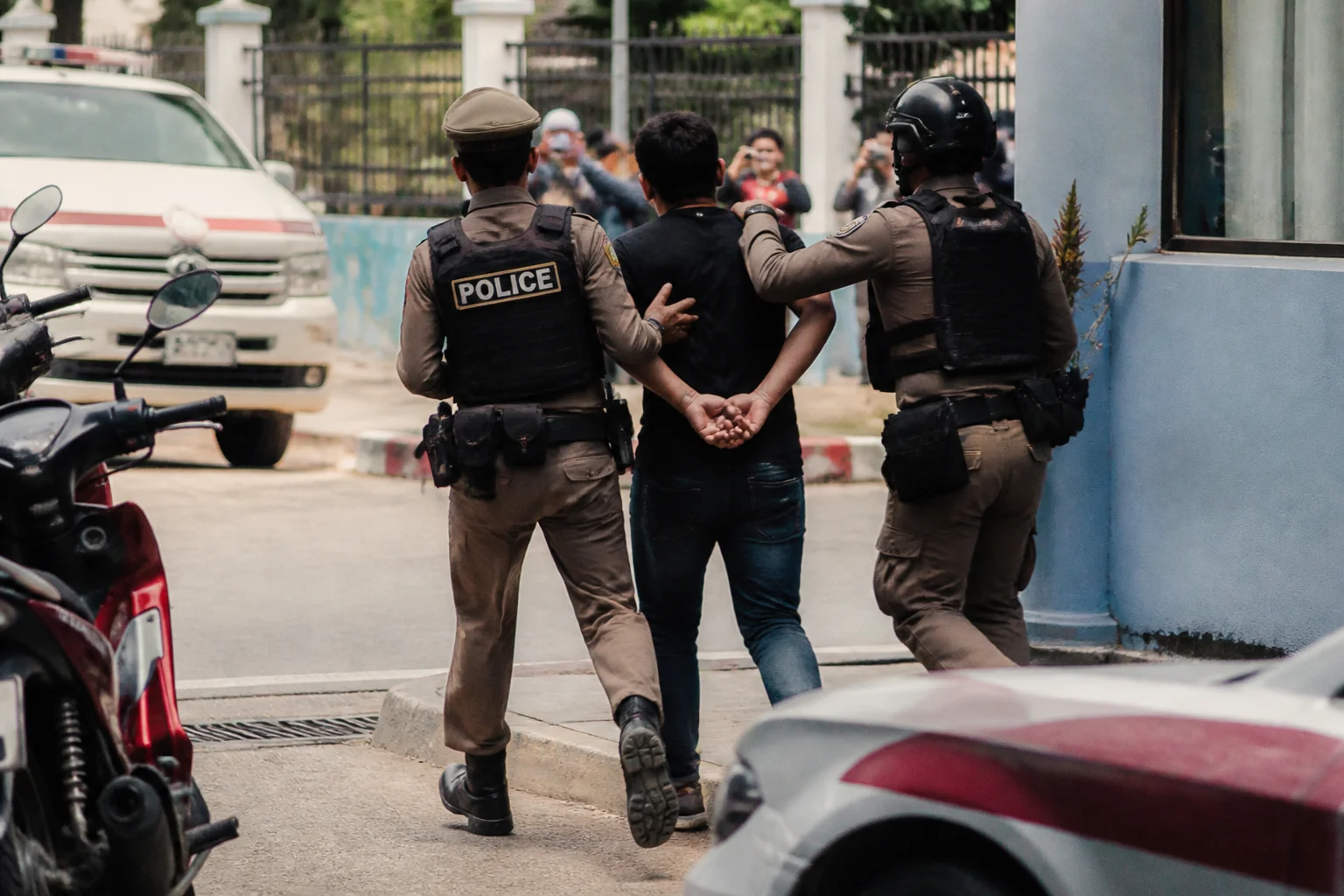
Maniac with Knife in Phitsanulok School Detained Before Any Harm Occurred
sukhothai · 09/01 19:07

Phitsanulok Expands Water and Energy Development Projects to Support Urban Growth
sukhothai · 09/01 13:05

Phitsanulok Film and Music Festival This Year Features Local Works and Opens Stage for New Creators
sukhothai · 09/01 13:05