📰 general_news
Chiang Rai
Chiang Rai Prepares for Monsoon Season; Agencies Coordinate Short- and Long-Term Plans to Protect Communities and Tourism
Chiang Rai province is accelerating plans to cope with the monsoon after central agencies warned that some areas face risks of flash floods and landslides. Coordination among local administrative organizations, the Disaster Prevention and Mitigation Office, and environmental agencies is intensive to prepare warning systems, emergency evacuations, and post-disaster recovery.
The provincial disaster prevention office said short-term measures focus on monitoring and alerts using sirens, LINE groups, and community radio, and on preparing temporary shelters stocked with essentials such as drinking water, medicines, and dry food. Officers have surveyed main and alternate evacuation routes in high-risk areas and posted clear signage. Heavy machinery is also being readied to clear roads if they are cut off by water or mudslides.
For the medium to long term, agencies are planning water-resource management and watershed conservation, including reforestation projects and restoration of degraded ecosystems to slow runoff and increase soil infiltration. There are also plans to install landslide-monitoring sensors at some high-risk sites to reduce response times when anomalies are detected. Environmental experts say holistic management—land-use planning, grassroots economic development, and community awareness—are key to building local resilience.
The expected economic impacts from floods and landslides include damage to agriculture and tourism and risks to infrastructure such as roads and power systems. Authorities have surveyed the value of assets that could be affected and prioritized repairs, especially on main roads that connect many key tourist sites. If those routes are cut, tourism operators’ income would be immediately hit.
Local communities are playing an important role in risk reduction. Residents have begun forming volunteer monitoring groups, conducting evacuation drills, and creating community plans for managing emergency resources. The private sector, particularly tourism businesses, is starting to insure against risks and adapt services—for example by offering flexible packages, designating safe points, and using digital technology to communicate quickly with customers about weather and conditions.
Officials concluded that this monsoon season is a call for greater cooperation among government agencies, communities, and the private sector. Investment in both infrastructure and community education is necessary for Chiang Rai to respond to and recover quickly from severe events. They emphasized that preparedness will reduce loss of life and property and help preserve the stability of the local economy, which relies heavily on tourism and agriculture.
แปลจาก ไทย
ข่าวที่เกี่ยวข้อง

Phitsanulok Integrates Local Development Plans Aiming to Improve Quality of Life and Basic Services
sukhothai · 09/01 19:07

This Year’s Phitsanulok Local Music Festival Brings in Famous Artists, Blending Culture and Local Cuisine
sukhothai · 09/01 19:07
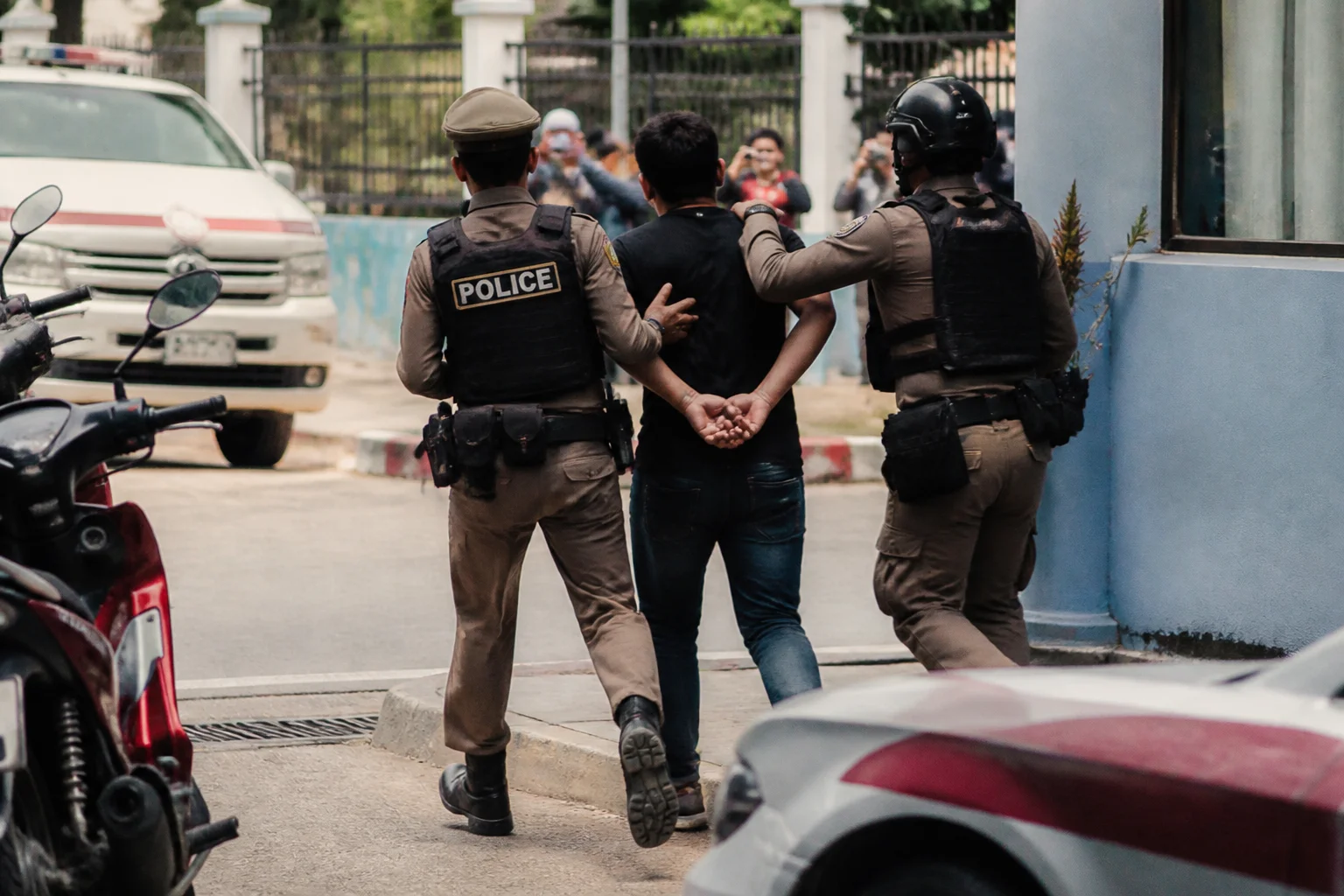
Maniac with Knife in Phitsanulok School Detained Before Any Harm Occurred
sukhothai · 09/01 19:07

Phitsanulok Expands Water and Energy Development Projects to Support Urban Growth
sukhothai · 09/01 13:05

Phitsanulok Film and Music Festival This Year Features Local Works and Opens Stage for New Creators
sukhothai · 09/01 13:05